


American wine
33 products


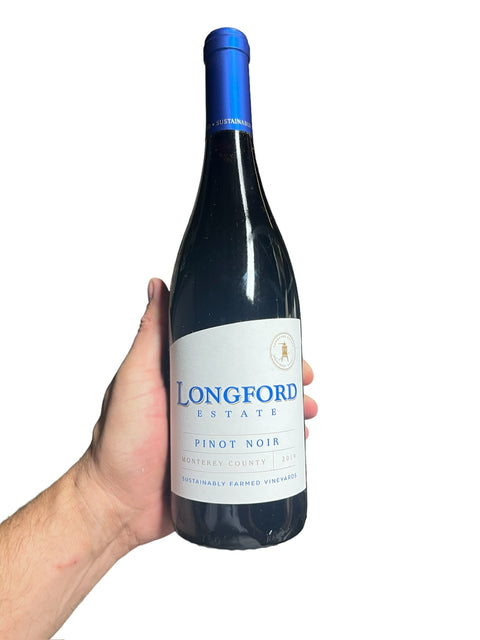
Historic American wine with age
Historic vintages from recent decades represent a true renaissance in the world of wine. From the 1960s onward, many American producers began to focus intensively on quality in the vineyard, temperature-controlled fermentation, and aging in classic oak barrels. This dedication quickly proved that a wine from the USA can age with precisely the same grace and structural depth as the well-known European classics, which truly put the country’s regions on the global map.
When these wines are left in peace to mature for 20 to 60 years, a wonderful transformation takes place in the bottle. The original, intense fruit aromas slowly step back to make room for deep, warm notes of dried fruit, leather, and cedar. For you who appreciate good wine, these older vintages offer the opportunity to taste a piece of history, where silky tannins and an elegant balance create a very special experience in the glass.
Experience classic wine from the USA and the country’s regions
The landscape and the local climate play an absolutely decisive role for classic American wine. Each individual area contributes its own distinctive characteristics to the finished glass.
California and Napa Valley
In California, and especially in the mountains around Napa Valley, the volcanic soil and the marked temperature fluctuations provide ideal conditions for growing grapes with thick skins and intense flavor. The warm, sunny days ensure optimal development of the sugar, while the cool winds from the coast at night slow down ripening. This preserves the grapes’ fresh and lively acidity.
This special climate results in powerful wines with a solid structure and enormous aging potential. Over the years, the initially robust tannins become integrated, leaving a deep and velvety sensation that especially characterizes the historic red wines from this area.
Oregon and cooler climates
If you travel farther north, Oregon offers a more temperate and cool climate, greatly influenced by the fresh winds from the Pacific Ocean. Especially in the valleys, where the growing seasons are long and cool, the grapes ripen at a calm pace. This gives the wine great elegance and a pronounced, natural acidity.
The environment is made for more delicate grape varieties, which typically display bright red fruit notes mixed with earthy and mineral tones. After decades of rest in the cellar, these wines are transformed into complex masterpieces with fine hints of forest floor, mushrooms, and dried herbs.
Washington State
Washington State stands out with its geological history, where ancient floods have left behind a fascinating soil of sand, silt, and volcanic basalt. Together with the state’s extreme temperature differences between scorching hot days and cold nights, this creates wines with a fantastic backbone and a noticeable freshness.
The wines from here manage in the most beautiful way to unite the intense fruit sweetness of the warm climate with the tight structure and acidity that are absolutely indispensable for long and successful aging in the bottle.
Why mature USA wine is something special
Pulling the cork from a mature USA wine is the culmination of decades of calm development. Over the years, the wine undergoes natural changes in the bottle that refine both taste, aroma, and texture to a level young wines simply cannot match.
- Silky-soft tannins: Over time, the powerful tannins bind together and settle to the bottom as sediment. This changes the wine’s expression in the mouth from being slightly drying to feeling incredibly soft and elegant.
- Complex tertiary aromas: The pure notes of fresh fruit fade and are replaced by deeper aromas such as forest floor, tobacco, truffle, and dried figs.
- Integrated acidity: The wine’s natural acidity melts completely together with the fruit and the alcohol, giving you a creamier, rounder, and more harmonious experience.
- Color development: Red wines slowly shift from a dark purple color to beautiful shades of brick and garnet red, while white wines gain rich golden and amber tones.
- Depth and balance: The extremely slow oxidation over the decades allows new compounds to arise in the wine. This adds a captivating depth and a long finish that makes every glass memorable.
Our process for storing older vintages
To preserve the high quality and fine nuances of the historic drops, completely optimal conditions are required. At Bottles With History, we work with fixed procedures for storing the older vintages, so each and every bottle is ready to deliver an excellent experience when you open it.
- Temperature control: We always store the bottles at a constant, cool temperature. This prevents the wine from aging too quickly and preserves the fragile, natural balance through the decades.
- Optimal humidity: A stable humidity level in the cellar ensures that the corks do not dry out, but remain intact. This effectively protects the wine against harmful and hurried oxidation.
- Protection from light: All our historic bottles lie in dark surroundings. Ultraviolet rays can quickly break down the wine’s molecules and permanently ruin the fine flavor notes.
- Vibration-free rest: The bottles are allowed to lie completely still and undisturbed. This allows the natural sediment to gather safely at the bottom without disturbing the wine’s slow maturation.
How to choose the right American wine
When you need to find just the right bottle for a cozy dinner or a big celebration, it is good to consider which taste appeals to you most. While some older grape varieties develop a structured, earthy profile with elegant notes of graphite, cedar, and dark tobacco, others become softer and instead show warm, spicy, and jammy fruit notes. If you like light, elegant wines with fresh acidity, the cooler northern regions are a really good choice, while the warmer valleys typically deliver more body and intensity in the glass.
In addition, the wine’s vintage and original structure play a major role in the taste. Vintages with cooler growing seasons typically offer a tighter acidity that ensures a long, graceful maturation. Conversely, the warmer years more often give a richer wine that develops a little faster. By looking at factors such as geographical origin, grape variety, and the effect of age on the tannins, you can easily find exactly the American wine that completes your evening and fits perfectly into your collection.


