


German wine
5 products


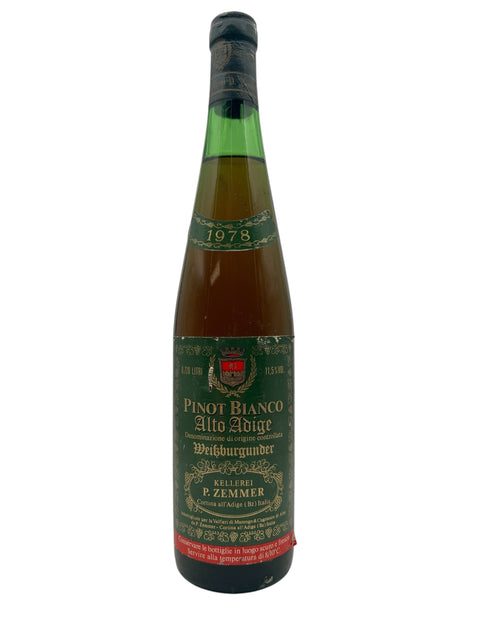


German wine with age and character
Imagine a wine that has matured perfectly over the years. Our category contains exclusively older vintages, where most bottles have rested safely for between 20 and 60 years. Germany is world-renowned for producing wines with remarkable aging potential, especially when it comes to the classic white wines. During decades of storage, the wine undergoes a beautiful transformation in the bottle. The original, fresh fruit elegantly steps into the background and instead makes room for complex, tertiary nuances such as honey, beeswax, ginger and toasted nuts, creating a memorable taste experience.
The structure of the wine also changes significantly over time. The well-known high acidity becomes incredibly soft and melts harmoniously into the taste, while the color most often shifts from a light straw yellow to a deep, captivating gold or amber. One of the most fascinating characteristics of many of these matured bottles is the emergence of a discreet, mineral aroma, which often brings petroleum to mind. This natural development adds an inviting depth that makes the older vintages a far more complex and rewarding experience than the young wines you may enjoy every day.
Different styles within matured German wine
The historical range of German wines contains several different styles, each of which develops its very own wonderful traits. How age influences the taste depends greatly on both the chosen grape variety, the specific region of origin and the wine’s original structure.
The development of white wine over time
When German white wines are allowed to rest over several decades, they undergo a slow and patient maturation. In the wine’s youth, it often presents itself with fresh aromas such as green apples, citrus and white flowers, but as the years pass, these primary notes recede. Instead, deeper and more concentrated flavor nuances of dried apricot, marmalade and exotic fruits emerge.
This fine process occurs as a result of reductive aging, where the wine develops in an almost oxygen-free environment in the bottle. The original acidity is preserved as a supporting backbone, but the mouthfeel becomes more viscous and beautifully silky-soft. The most age-worthy white wines also reward you with toasted and mineral undertones that provide a long and wonderfully multifaceted finish.
Mature red wines from the German regions
German red wines, especially the lovely bottles created from Spätburgunder, hold fantastic aging potential that makes them ideal for celebrating life’s special moments. Regions such as Ahr, Baden and Pfalz offer varying soil conditions and climates that shape the wine’s final expression. Where the warmer areas create fuller wines with velvety tannins, the cooler zones contribute an elegant and pronounced minerality.
During their rest, the red wines retain their fresh acidity, while the lively notes of youth of fresh cherries and raspberries slowly transform. After many years of rest, the wine instead offers a complex bouquet of forest floor, tobacco, mushrooms, dried spices and leather, which together create a deep and inviting flavor profile.
The aging potential of sweet wines
The sweet wines, which cover styles such as Spätlese, Auslese and Trockenbeerenauslese, have a very special ability to develop beautifully over time. The secret lies in the natural harmony between a high content of residual sugar and marked wine acidity. The acidity acts as nature’s own preservative, protecting the wine against rapid oxidation and preserving an impressive freshness, so the wine never feels heavy or sticky – even after several decades in the cellar.
Over time, the sugar integrates more closely with the wine, which makes it seem drier and more balanced than when it was originally bottled. The classic fruit notes give way to intense aromas of caramel, toasted nuts, dried figs and candied orange peel. At the same time, the wine takes on a deeper, amber- or mahogany-like glow and a rich, almost oily texture.
Why choose a vintage edition of German wine
Enjoying an older vintage rather than a recently released bottle gives a wonderful understanding of the wine’s journey through the years. The special chemical properties of the grapes make them incredibly well suited to long maturation, which opens up a range of exciting advantages that can make your evening truly special.
- The naturally high acidity and low pH value act as a protective barrier against oxidation and keep the wine wonderfully fresh.
- An acidic environment keeps unwanted bacterial growth at bay and ensures exceptional stability through decades.
- Residual sugar and acidity completely meld over time and create a harmonious balance where the sweetness is elegantly toned down.
- The primary fruit aromas are replaced by fascinating, tertiary aromatic and flavor notes such as beeswax, smoke and complex minerals.
- Older vintages carry a historical classification, where quality was directly connected to the grapes’ natural ripeness at harvest.
Optimal storage of our historical bottles
At Bottles With History, we ensure that all older vintages rest under carefully controlled and optimal conditions, so the wine’s quality and history are fully preserved. The fragile, historical bottles rest safely in climate-controlled rooms with a stable, cool temperature and the correct humidity, which prevents the corks from drying out. At the same time, we shield the wines completely from harmful sunlight and unnecessary vibrations. This carefulness is absolutely crucial for the 20 to 60-year-old wines to continue their slow, natural maturation process in the safest possible way until sale.
How to prepare an older vintage wine
When a bottle has gathered history over decades, it requires loving and careful handling before serving, so you get the best possible experience in the glass. We have gathered a few easy steps that help you show the proper consideration for the wine’s age and fragility.
- Opening the bottle: Old corks can be very porous and fragile. It is a good idea to use a special tool, for example a two-pronged cork puller, which gently grips the sides of the cork and pulls it out whole. If the cork still crumbles, you can calmly and carefully strain the wine through a fine mesh, so you avoid cork remnants in the glass.
- Oxygenation and decanting: Older wines can be delicate when it comes to oxygen. Mature white wines should rarely be fully decanted, as too much oxygen can quickly erase the fine, nuanced aromas. Instead, pour the wine and let it open up slowly directly in the glass over 15 to 30 minutes. A decanter is primarily relevant to bring out if you need to separate the wine from heavy sediment.
- Temperature control: The right serving temperature helps to release the wine’s aged characteristics in the most beautiful way. Mature white wines are best enjoyed lightly chilled between 10 and 12 degrees, while your older red wines unfold their full potential at a temperature between 15 and 17 degrees. In this way, you ensure that the delicate aromas are not muted by cold or overshadowed by excessive heat.


