


Burgundy white wine
19 products


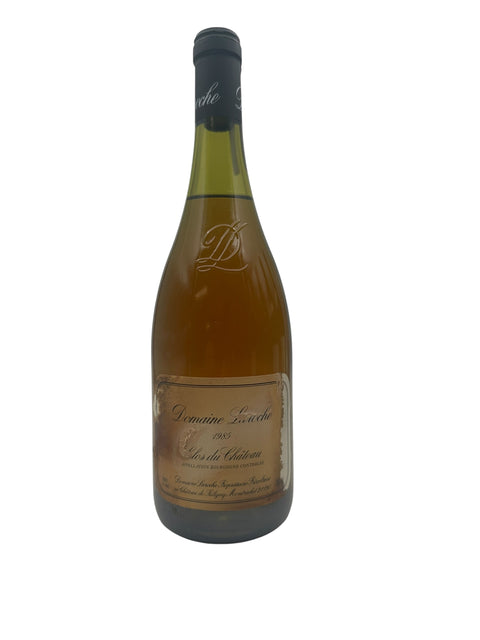
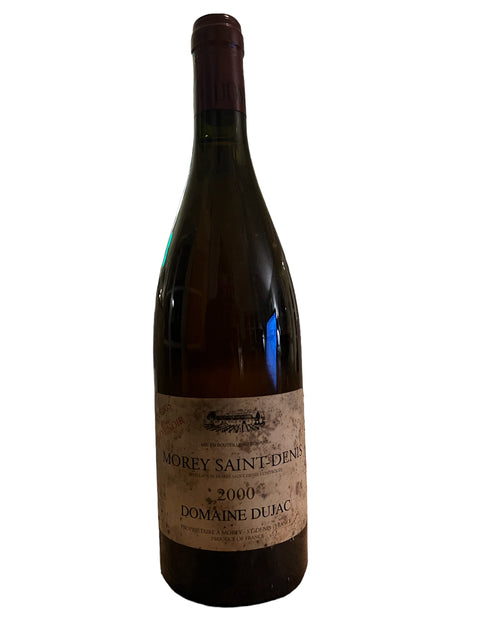


White wine from Burgundy
Some of the wine world’s most renowned drops come from here, and the area is globally admired for its deep historical heritage and exceptionally high level. When you pour a classic Burgundy white wine, you often experience the Chardonnay grape in its purest form, where it serves as a blank canvas for the region’s complex soils and microclimates. The history stretches all the way back to the Middle Ages, when patient monks began mapping the individual vineyards, also known as climats, based on the composition of the soil and the rays of the sun. This meticulous work created the foundation for the classification system we know today, where terroir itself always plays the leading role rather than the grape variety alone.
Small quantities of Aligoté are indeed grown in the area, but it is undoubtedly Chardonnay that defines the picture of a true white Burgundy. However, the experience you get in the glass varies significantly depending on where the vines have taken root. Imagine the northernmost areas, where ancient limestone soil enriches the wine with a taut and mineral style, while the central parts of the area, by contrast, produce fuller and deeper wines, which often offer a creamy texture from ageing in oak casks. What truly unites a formidable white wine from Burgundy is the very special ability to age and unfold new nuances over many years, which speaks directly to the heart of those who like to save something great.
Older and mature white Burgundy
Imagine a wine that for 20 to 60 years has been allowed to develop in peace and quiet. For these older vintages, completely correct storage is absolutely essential if the wine’s delicate structure and many aromatic layers are to be preserved intact. For decades, these historic bottles have rested under the most optimal conditions, which is your guarantee that the maturation process itself has followed its natural course and resulted in a harmonious and complete taste experience.
- Constant and optimal temperature control ensures that the maturation process is not accelerated in an unwanted way.
- Strict protection against direct light and UV rays safely preserves the wine’s colour and its delicate chemical balance.
- The correct humidity helps ensure that the cork itself remains intact and supple, so it seals completely tight.
- Complete calm and a total absence of vibrations give the wine the necessary space to form its deep, tertiary aromas undisturbed.
- The specific origin, history, and condition of every single bottle are carefully documented and verified to give you peace of mind.
Different styles within Burgundy white wine
The area naturally divides into several distinct subregions, all of which leave their very own mark on the drops. It is precisely the differences in climate and geology that create the exciting variation in taste, making it easy for you to find exactly the style and expression that will delight your guests the most.
Chablis and the crisp minerality
If you travel toward the northern part of the region, you will find wines with a bone-dry and deeply mineral character. The cool continental climate and the famous Kimmeridgian soil – a mixture of clay, limestone, and microscopic fossil oyster shells – bear the main responsibility for this expression. This fascinating geology gives the wine its known notes of flint and green apples, accompanied by a pronounced and appealing salinity.
To let the soil itself speak its own clear language, producers here use only minimal amounts of oak casks. This gives you an incredibly taut and stylish wine, where the high, natural acidity and the pure, chalky impression are allowed to stand out crystal clear on the palate.
Côte de Beaune and the classic drops
As you move further south, you will experience a moderate continental climate with warm summer days and cooling nights, which together shape the perfect balance between the grape’s sweetness and its natural acidity. Here the vines thrive in a lovely blend of marl and limestone, which creates the foundation for full-bodied, well-structured wines with impressive depth.
These historic drops are most often traditionally aged in French oak casks. It is a process that adds warm notes of toasted nuts, ripe pear, and an inviting, buttery texture. At the same time, the long and calm maturation season ensures that the wine proudly retains an underlying, elegant minerality just behind the generous fruit.
Mâconnais and the warm expression
Down in the southernmost part of the area, you quickly notice a markedly warmer climate and a soil rich in clay and hard coral limestone. The landscape is shaped with steep cliffs that almost function as nature’s own heat trap, which gives the grapes the opportunity to achieve an incredibly high degree of ripeness before they are carefully harvested.
This is reflected in a very generous and fruit-driven wine, where notes of peach, melon, and citrus emerge beautifully in aroma and taste. You can look forward to a creamy, lively, and highly approachable expression that is beautifully kept in check by the region’s firm mineral foundation, so the balance is preserved.
How to choose the right historic bottle
When you need to find exactly the right older vintage wine, it helps to know a little about how the passing decades change the fine flavour nuances. Before you pull the cork on your next dinner, there are a few good pieces of advice and factors that you can advantageously keep in mind to make the experience complete.
- Development of the vintage: Take a look at the weather conditions and the particular characteristics of the year in question. Some vintages produce a structure that allows the wine to build truly fantastic complexity over several decades.
- Terroir and origin: Feel which of the regional styles appeals to you. Whether you lean toward the slender, mineral glass or the slightly broader expression from barrel ageing depends entirely on which subregion the bottle comes from.
- Purpose and occasion: Consider whether the wine should be decanted and drunk for an upcoming special event, or whether it should initially have a place as a long-term collector’s item in your temperature-controlled wine cellar.
- Development of tasting notes: Keep in mind that older wines over time change character from being young and fruity to offering darker, oxidised notes of dried fruit and toasted nuts.
Food that suits mature Burgundy white wine
When a wine has rested safely for 20 to 60 years, it will quite inevitably change character. The young, taut acidity and the primary fruit notes slowly recede into the background, while complex, tertiary aromas of forest floor, beeswax, honey, and toasted nuts unfold. This beautiful transformation opens up entirely new gastronomic doors. While pale wines are often enjoyed with delicate, fresh shellfish, such a dish will unfortunately be able to make a mature vintage seem a little flat. Instead, you should invite dishes to the table that manage to harmonise with the wine’s oxidised traits and its softer, more viscous texture.
The finest harmony is often achieved with the help of slightly earthy and umami-rich elements in the cooking. Consider composing the menu around truffles, wild mushrooms, or firm, aged cheeses such as Gruyère and Comté. These ingredients create an excellent mirror image of the nutty nuances that have arisen through the long time in the bottle. Likewise, the richness of a classic poultry dish or a delicate, lightly creamy sauce will offer a beautiful contrast to the wine’s well-integrated acidity and the residual sugar that still carries it, allowing the historic tasting notes truly to shine.
Safe delivery of your wine from Bottles With History
Bringing home valuable and historic vintages requires that you can trust the logistics completely. At Bottles With History, we care for every single bottle, which is packed with the greatest care to shield the drops against inappropriate temperature fluctuations and knocks during transport. You have the option to choose next-day delivery, which gives you a fast and secure shipping process directly to your front door or to your local parcel shop. This thorough handling of the logistics is supported by a TrustScore of 4,6 out of 5, which confirms and ensures that even the oldest and most delicate drops arrive undamaged and safely at their final destination.


