


Chilean red wine
11 products


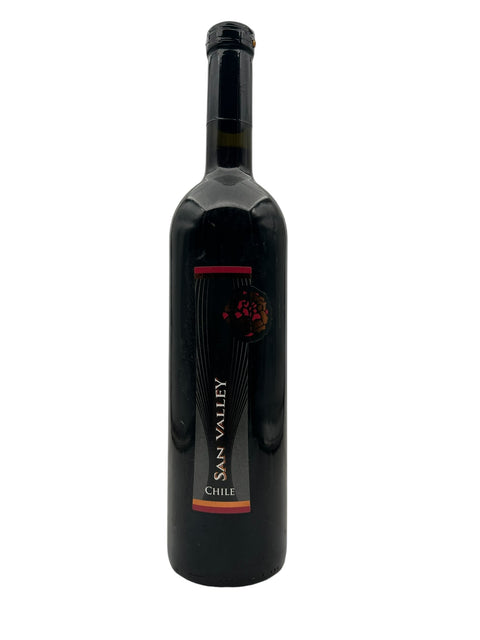


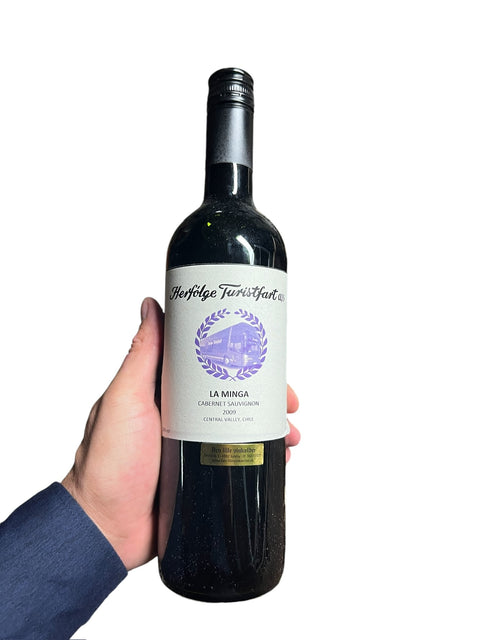
Chilean red wine from historic vintages
When a Chilean red wine is allowed to mature for 20 to 60 years, a very special transformation takes place inside the bottle. The very fresh and intense fruit notes from the wine's early years quietly step back and instead make room for fully developed and complex aromas such as dried cherries, leather, cedarwood and tobacco. Over time, the originally firm tannins are softened and leave behind a velvety structure, while the wine simultaneously manages to preserve a lively acidity that keeps it upright and elegant in the glass. It is fascinating to think that many of these historic wines were created using deeply rooted, traditional methods, including slow ageing in barrels made of local raulí wood, long before modern technology truly made its entrance into wine history.
For these mature vintages to be able to unfold their many fine nuances decades later, it is absolutely crucial that they have been kept under the right conditions. Through a very slow and controlled oxidation in the bottle itself, the harshest structures are broken down, and the wine gains a lovely depth marked by earthy notes such as forest floor and mushrooms. This chemical development requires absolute calm, darkness and a completely stable temperature so that the wine does not oxidize too quickly. At Bottles With History, we place great focus on ensuring that the historic drops have always had precisely the conditions they need, so that the fine taste experience is preserved right up until the evening when you pull the cork.
Characteristics of the classic Chilean wine regions
The geographical location in Chile, where the majestic Andes rise to the east and the cool Pacific Ocean stretches to the west, creates some of the most optimal conditions for viticulture in the world. The country's many different valleys offer incredible diversity in both soil and climate, which naturally leaves a clear mark on the individual wine's characteristics and its ability to develop over time.
The structured wines of the Maipo Valley
The Maipo Valley is very often highlighted as South America's answer to Bordeaux, and this is largely due to the area's exceptionally good conditions for growing high-quality grapes. If you move up into the higher-lying areas at the foot of the Andes, you will find soil rich in gravel and stones, which forces the vines to drive their roots deep into the ground. This produces very concentrated grapes and creates highly elegant wines with firm tannins, deep notes of blackcurrant and a fine underlying minerality. In the heights, there are also very large temperature fluctuations between day and night, which is crucial for preserving the wine's natural freshness – a quality that is absolutely essential when the wine is to be aged for a long time.
The powerful profiles of Colchagua
If you head further south, you arrive in the Colchagua Valley. Here, the vines benefit from a warm and dry Mediterranean climate, which is continuously tempered by cool winds from the Pacific Ocean. The many sunny days ensure that the grapes can achieve an incredibly high degree of ripeness, which helps give the wines their well-known body, dark colour and very intense fruit aromas. At the same time, the cooling sea breezes extend the ripening process directly on the vine. This delightfully long ripening period gives the wine the opportunity to build extremely complex flavour nuances and a very rich, velvety texture, all while preserving the vital acidity.
The development of the Carmenère grape over time
The story of the Carmenère grape in Chile is quite fascinating, because for over a hundred years it was mistakenly believed to be Merlot, until it was finally and correctly identified in 1994. While in the old days the wines could seem slightly green and vegetal in their expression, the style has changed markedly as a deeper understanding has emerged that this grape requires a long ripening period. When Carmenère is harvested at the most optimal time and aged over many years, it rewards with silky-soft tannins and offers incredibly lush notes of blackberry, plum and warm spices. It thrives especially well in the warmer valleys, where the warm sun is allowed to ripen the grapes to perfection.
Our requirements for storing Chilean red wine
When it comes to older vintage wines with several decades behind them, correct storage is not just an advantage – it is an absolute necessity. At Bottles With History, we never compromise on the conditions under which our historic bottles rest before they one day become part of your collection. To ensure that the wines retain their unique character and are not harmed by age, we follow a number of very strict guidelines in the cellar.
- We ensure a constant and cool temperature all year round, so the wine can mature at its own calm and stable pace.
- Optimal humidity is crucial so that the corks do not dry out and allow harmful oxygen to enter.
- We shield the bottles from direct sunlight and UV radiation, as this can otherwise break down the wine's delicate structure.
- All bottles are stored lying horizontally, which helps keep the cork constantly moist from the inside.
- We create protection against shaking and vibrations, so that the fine sediment in the old wines remains completely undisturbed at the bottom of the bottle.
How to serve a mature Chilean red wine
There is a certain reverence and respect in opening a wine that has waited for decades. Older vintages are very fragile, and incorrect handling can quickly ruin the fine nuances that the wine has spent so many years building up. To get the best possible experience when you are going to enjoy your historic wine, we recommend following a few simple but important steps.
- Preparing the bottle: To avoid the sediment being swirled around in the wine, the bottle should be stood up and left upright for a day before serving. In this way, the heavy particles formed through decades of ageing have time to collect at the bottom.
- Careful opening: Old corks can be fragile and have a tendency to crumble. Feel free to use a special corkscrew, and pull the cork up in a slow, smooth motion. Avoid aerating the wine too quickly, and preferably skip traditional decanting, as the delicate aromas can otherwise disappear quickly.
- The right temperature: Serve the wine at a temperature of between 15 and 18 degrees. If it is too warm, the alcohol will dominate and make the tannins appear sharp. If it is too cold, the complex, mature notes of leather and dried fruit are concealed, and the wine will close up.
- Pouring and enjoyment: Pour the wine slowly into a spacious Bordeaux glass to allow the fine aromas to gather. Enjoy the wine immediately after opening, as very old wines most often peak in the glass right away, after which they can lose their fruit and intensity with further contact with the air.
Why you should taste aged Chilean red wine
Choosing a mature wine from Chile is an invitation to experience how a completely unique terroir can refine grapes over time. The Chilean vineyards, which are most often located at great heights and marked by extreme temperature fluctuations between day and night, give the grapes thicker skins and preserve a high level of natural acidity. It is precisely this robust structure that enables the wines to age gracefully and develop a fascinating palette of tertiary aromas such as forest floor, tobacco and leather. It is a wonderful taste experience that differs from many other regions, and that offers every wine lover a very special, historic journey in the glass.


