


French wine
830 products

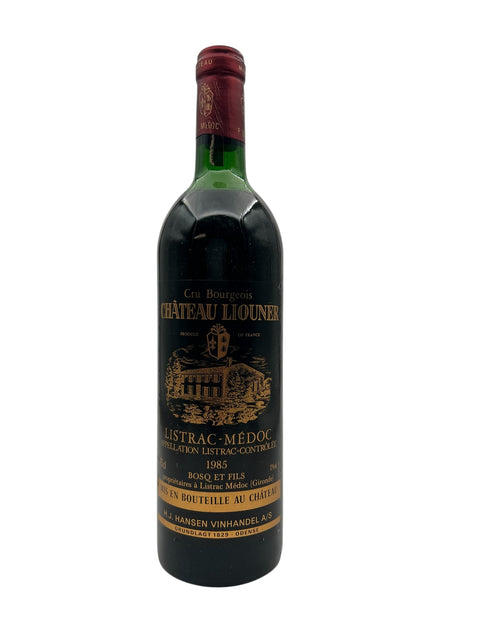


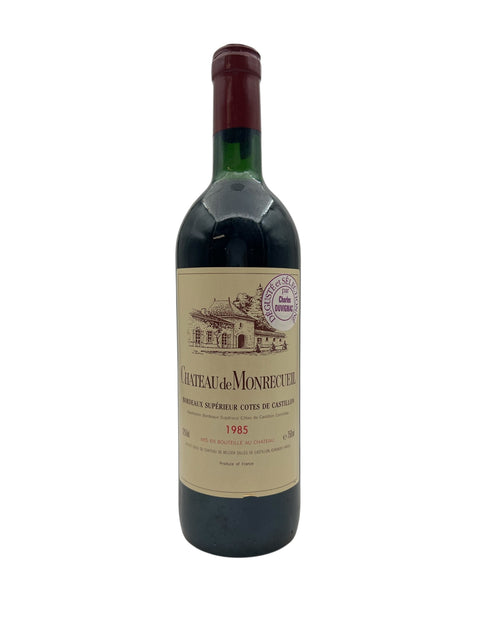


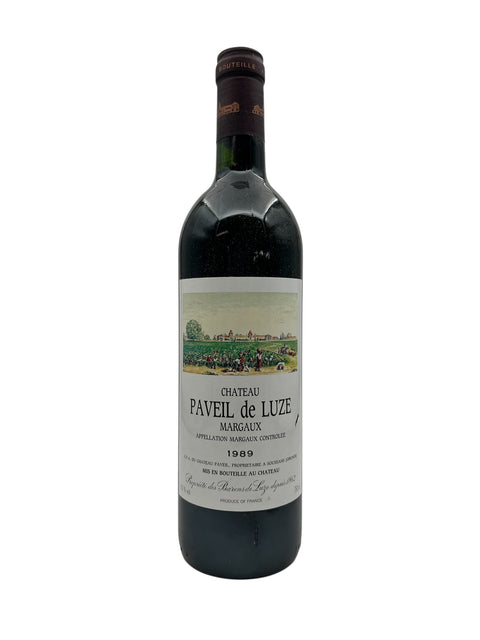
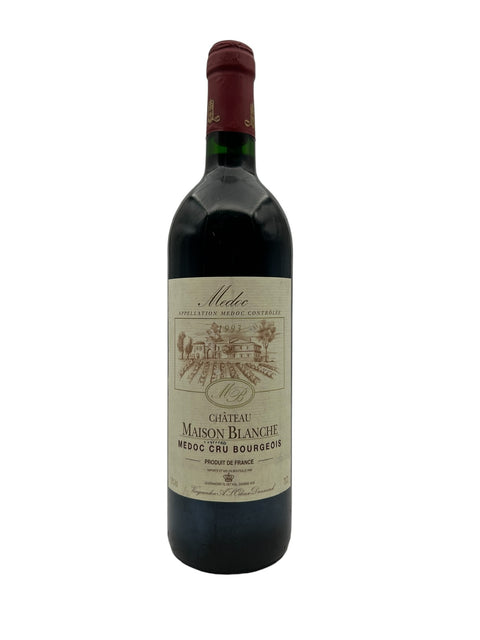


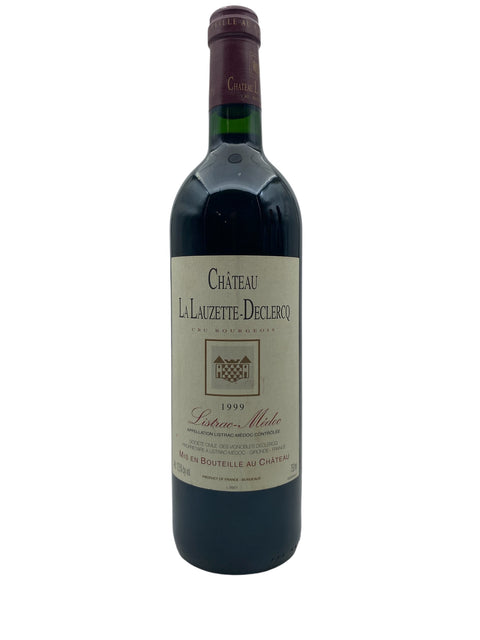
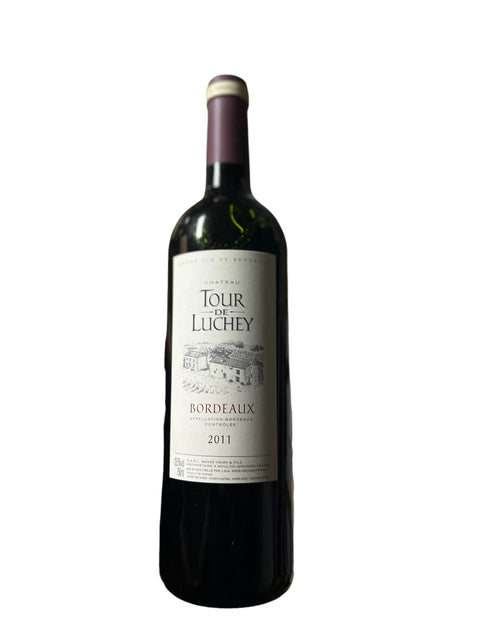


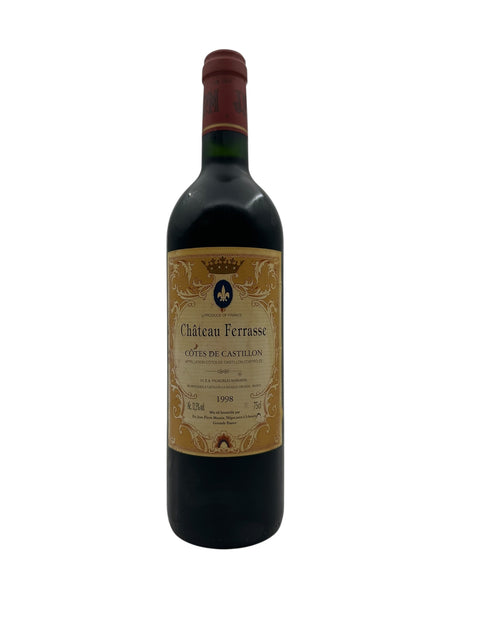


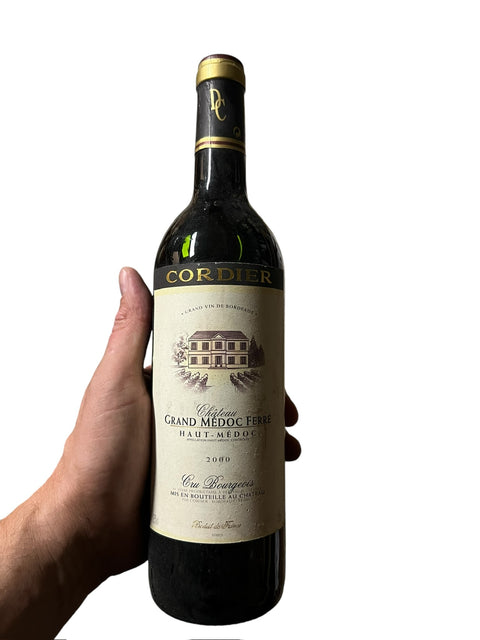


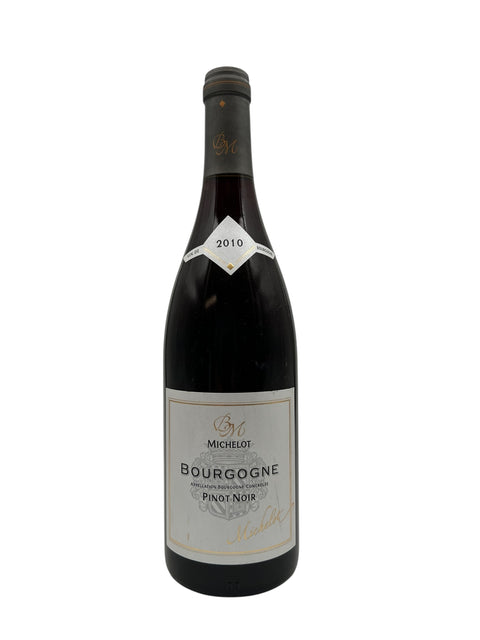
The Diversity of French Wine: An In-Depth Exploration of Grape Varieties and Terroir
French wine is synonymous with quality and variety, with each bottle telling a story of its origin. As you delve deeper into the different grape varieties and terroirs, it becomes clear how these elements combine to create unique taste experiences. For example, Chardonnay displays its versatility, Sauvignon Blanc its lively, herbaceous character, and Syrah its deep flavour of dark fruit and spice. Case studies from Burgundy and Bordeaux illustrate how these grapes adapt uniquely to each region's terroir. In Burgundy, Pinot Noir expresses itself elegantly and complexly thanks to the cool climate and limestone soil. This interplay between grape variety and terroir means that wine from France is not just an agricultural product but an art form that reflects its environment.
Terroir, the combination of soil, climate, and topography, plays a crucial role in shaping the wine's profile. In Bordeaux, the varied soil provides a perfect breeding ground for grapes such as Cabernet Sauvignon and Merlot. Here, the right balance between sand, clay, and limestone ensures that the grapes grow under optimal conditions. Historically, French wine regions have been famous for specific grape types, such as Pinot Noir in Burgundy, further enhancing their distinctive flavour profiles. In France, therefore, you will find a country that, with its diversity of terroir and grape varieties, offers a wine experience deeply rooted in tradition and innovation. This complexity allows connoisseurs to explore an infinite spectrum of nuances and aromas.
The Effects of Climate Change on French Wine Production
Climate change is significantly affecting wine production in France. With rising temperatures and altered precipitation patterns, winemakers must contend with challenges such as earlier harvests and altered sugar levels in the grapes. Wine from France is now experiencing a trend towards higher alcohol content and potentially overripe flavours, meaning producers must adapt their methods to maintain product quality. Furthermore, extreme weather phenomena such as droughts, hailstorms, and frost drastically impact production by either destroying the harvest or altering the wine's character.
To counter these challenges, winemakers are experimenting with new agricultural and winemaking methods. Investments are being made in vineyards further north, and in some regions, new grape varieties more resistant to warmer climates are being introduced. Additionally, more producers are using techniques such as drip irrigation and crop insurance to minimise losses and maintain the wine's integrity. These initiatives demonstrate a continued commitment to adapting to climate change and ensuring that wine from France continues to uphold its world-renowned quality. This further underlines the important role innovation plays in preserving traditional flavour profiles in a more unpredictable climate era.
Why AOC Classification is Central to the Credibility of French Wine
AOC, or Appellation d'Origine Contrôlée, is a cornerstone of the French wine world, ensuring the credibility and quality of wine from France. This classification system was established to guarantee that wine named after a given region actually originates from that place and is produced according to strict, historical traditions. For example, AOC Champagne only allows sparkling wines from that specific region to bear the prestigious name. The system requires adherence to particular standards, including grape varieties, production methods, and geographical conditions, ensuring consistency and quality throughout the wine's lifecycle.
You can trust that when you choose a wine labelled with an AOC, you are getting an authentic product made in accordance with proper traditions and regional practices. By protecting the names of iconic wine regions, the AOC classification prevents low-quality imitations from flooding the market, thereby preserving the value and reputation of authentic French wines. For you, this means the opportunity to enjoy wines that represent a superior chain of quality and tradition, which you can trust, both for taste and for the authentic origin of its content.
How to Choose the Right French Wine: A Beginner's Guide
For beginners, navigating France's wine landscape can be an overwhelming task. With terms like 'terroir' and 'AOC' and the many grape varieties, choosing the right wine can seem complicated. But the start of your wine journey can be simple if you understand basic labels and grape types. For instance, red wines like Bordeaux are rich and powerful, while Burgundy's Pinot Noir is lighter and fruitier. Similarly, you'll notice that white wines from the Loire often have a fresh and mineral edge, making them ideal for fish and seafood.
To make the choice easier, you can benefit from wines whose labels have clear AOC markings, guaranteeing origin and quality. It is also helpful to know which wines pair well with different types of food, such as Chardonnay from Burgundy for poultry dishes or dessert wines from Sauternes for a sweet finish. BWH's selection of vintage wines offers you curated choices that ensure quality and a story behind each bottle, enriching your wine experience with meaning and depth of flavour. Once you acquire a taste for French classics, a whole world of aromatic experiences and cultural stories awaits exploration.
Hidden Gems: Discovering Lesser-Known French Wine Regions
While most wine lovers are familiar with the major French wine regions such as Bordeaux, Burgundy, and Champagne, there are many hidden treasures in lesser-known areas. These regions offer unique taste experiences that can be just as impressive as the more famous areas, but with a very special local character. For example, in the Jura region, known for its unique Vin Jaune, which matures locally under a layer of flor for several years and develops a nutty flavour that has few equals. Regions like Cahors offer a rustic Malbec that stands out with its rich colour and intense flavour.
For adventurous wine enthusiasts, these areas open a Pandora's box of new wines just waiting to be explored. Each region brings its own history and culture to the bottle, inviting you on journeys of discovery of unique, traditionally made wines. At BWH, you can find a selection of wines from both well-known and lesser-known regions, all with a historical narrative that offers a glimpse into the past. This selection allows you to broaden your horizons by trying something new, while still enjoying the familiar French quality and dedication to craftsmanship.
FAQ
When choosing the best French wine for your meal, it's important to match the wine's character with the dishes' flavor profile. For example, red wine from Bordeaux pairs well with rich meat dishes, while a white Burgundy can be perfect for lighter fish dishes. As a Danish online wine retailer specializing in old vintage wines, Bottles With History (BWH) provides you with access to a wide selection of wines that have developed complex flavor profiles over time, which can be ideal for many different dishes.
French wine is beloved among wine connoisseurs for its rich history and diversity in flavor profiles, which vary from region to region. Bordeaux wines, for example, are known for their richness and depth, while Burgundy wines are often considered more subtle and elegant. At BWH, you can explore a selection that includes these classic regions, thus gaining access to wines that have matured over decades and bring a special experience to the table.
For meat dishes like steak or lamb, a robust red wine such as a Bordelais-style wine can be the perfect match. Wines from regions like Bordeaux have a full-bodied character that complements red meat well. Bottles With History has a unique selection of vintage wines that can add depth and complexity to your tasting experience, especially when the wine has been properly aged for decades.
If you are looking for authentic French wine in Copenhagen, Bottles With History is an excellent resource. Although they do not have a physical store, BWH can offer Scandinavia's largest assortment of vintage wines via their specialized webshop. This platform makes it easy to find the perfect bottle, whether it's for a special occasion or simply to enjoy a good wine at home.
For correct storage of French wine, it is important to ensure that the wine is kept at a stable temperature, preferably around 12-14 degrees Celsius, with a constant humidity of approximately 70%. Wine should be stored in complete darkness to protect it from light, which can damage the wine's structure. At Bottles With History, all wines are carefully stored under optimal conditions to ensure that every historically resonant bottle maintains its quality and authentic taste.


