


Italian mulled wine
8 products
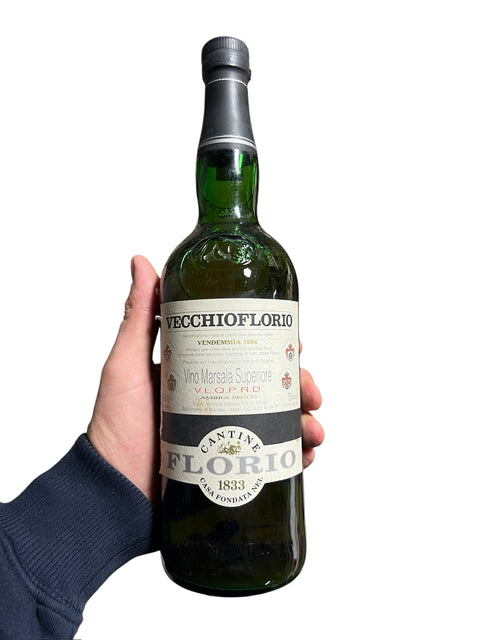
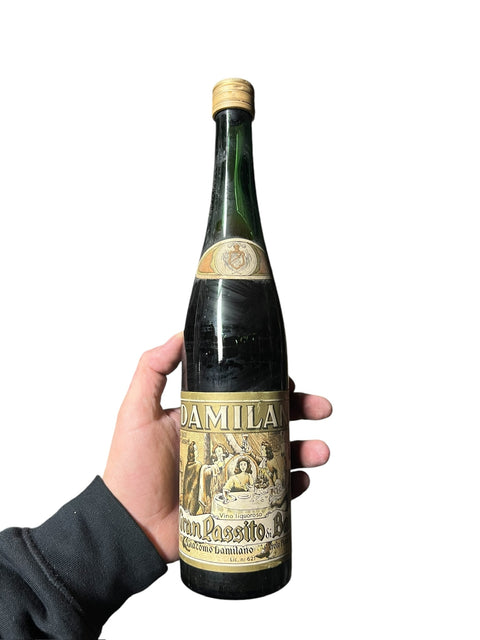
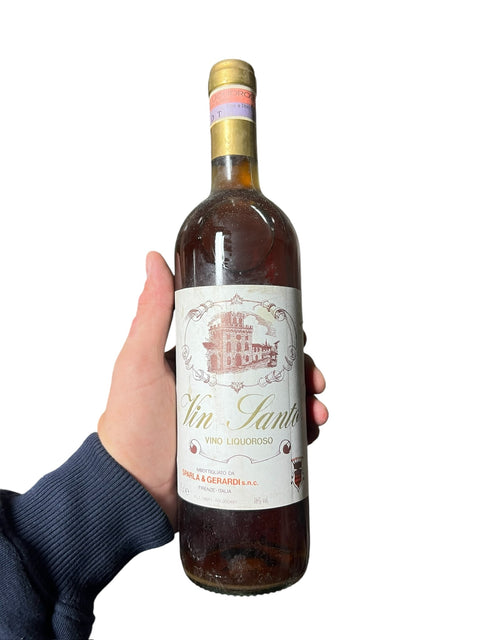


Experience classic Italian fortified wine
When you dive into the world of genuine Italian fortified wine, you encounter a rich tradition of creating wines with remarkable depth. The hallmark of these wines is the elevated alcohol content, which typically lies between 15 and 22 percent. This is achieved by gently adding grape spirit or brandy during or immediately after fermentation. This process preserves the grapes' natural residual sugar and creates a beautiful spectrum of styles – ranging from bone-dry varieties to intensely sweet ones. The higher alcohol percentage also gives the wine a very special potential to develop and cellar over many decades.
Italian fortified wine holds several historical and locally rooted specialties, all made using very distinctive techniques. In Sicily, for example, complex wines are created that undergo an oxidative maturation process inspired by the Spanish solera system. This results in a wine with deep amber-golden colors and warm notes of dried fruit, caramel, and toasted nuts. If you turn your gaze north to regions such as Piedmont, on the other hand, you will find aromatized and fortified wines, where the base is gently infused with selected herbs, roots, and spices. This gives the wine a refined, herbal, and appealing bittersweet character.
Different types of Italian fortified wine
The varied Italian landscape and strong local traditions have created a fascinating range of dessert wines and fortified wines. Each individual region has refined its own methods of concentrating the grapes' flavor, controlling fermentation, and maturing the wine. For you as a wine lover, this means ample opportunity to explore everything from oxidized and nutty profiles to more aromatic and spicy styles.
Marsala and its nuances
Marsala undoubtedly stands as one of the country's most iconic wines. It has its deep roots in Sicily, where it was originally created to withstand long sea voyages. Today, it is produced in several different styles, which include the golden versions Oro and Ambra, the latter of which often gets its gentle sweetness from the addition of caramelized grape must. In addition, there is the rarer Rubino variant, which is made from dark grapes and offers a pronounced fruity flavor profile.
The maturation process itself is one of the most captivating elements of this type of wine. Traditionally, a special fractional blending system called perpetuum is used, which closely resembles the solera system. Here, older vintages are continuously blended with younger wines, ensuring an incredibly beautiful and consistent development, where depth and freshness merge into a higher unity.
Vin Santo from Tuscany
Vin Santo directly translated means "holy wine" and is a true Tuscan specialty made from local white grapes. The process begins with the fresh grapes being carefully laid out to dry for several months. This concentrates the natural sugar content and highlights the flavor compounds. Only when the grapes have reached exactly the right concentration are they pressed, and the must is ready to begin its aging.
What truly gives the wine its identity is the aging in the small wooden barrels called caratelli. The barrels are only partially filled to allow for slow oxidation and are typically stored in open attics, where the wine senses the year's changing temperatures. Combined with a special yeast culture from previous vintages, known as "madre", this demanding process creates a wine with wonderful notes of nuts, honey, and dried fruit.
Other Italian specialties
In addition to the famous classics, the Italian wine world offers several other captivating variations. In regions such as Piedmont, historical aromatized wines are produced, where a fortified wine base draws flavor from a balanced composition of herbs, roots, and spices. You can find these in both sweet and dry versions, and they are especially appreciated for their complex and slightly bitter finish.
On islands such as Sardinia and Pantelleria, unique traditions are likewise found. Here, certain wines are aged under a protective layer of flor yeast, which adds an intense and almost sherry-like character, while others are made from sun-dried grapes and subsequently fortified to preserve a rich and intense fruit sweetness. Common to them all is an uncompromising focus on craftsmanship and local wine heritage.
Optimal storage of vintage Italian fortified wine
To preserve the wine's true integrity and ensure the full tasting experience, proper storage is absolutely crucial when dealing with older and rare wines. At Bottles With History, our bottles are typically between 20 and 60 years old, and they have all rested under optimal conditions before finding their way to you. To protect your historical wines as well as possible in your own cellar, we recommend that you follow a number of important principles.
- Always store the bottles at a constant, cool temperature so the wine does not develop too quickly.
- Ensure appropriately high humidity. This prevents the cork from drying out and letting harmful oxygen into the bottle.
- Protect the wine from direct sunlight and strong artificial light, as UV rays can over time break down the wine's complex structure.
- Give the bottles peace from unnecessary shaking and vibrations so the natural sediment can safely be allowed to gather.
- Store your wines in an odor-free environment, as strong aromas can over time penetrate through the cork and affect the taste.
How to serve a mature Italian fortified wine
Opening an older bottle of wine is a beautiful ritual that requires a gentle approach to allow decades of maturation to fully express themselves. Over many years, the wine has developed a very special structure and complexity, which can easily be disturbed by incorrect handling. If you follow a calm and correct serving process, you ensure that the fine aromas and historical character emerge beautifully.
- Preparation of the bottle: Start by standing the bottle upright, and let it remain upright for at least 24 hours before serving. Older vintages naturally form sediment as color pigments and crystals gather over time, and this resting period lets the sediment settle quietly and calmly at the bottom.
- Temperature control: Serve the wine at the correct temperature to highlight its special profile. The dry and very mature versions perform best at 14 to 18 degrees, while the sweeter variants can advantageously be enjoyed slightly chilled at 13 to 15 degrees to balance the residual sugar.
- Decanting: Carefully pour the wine into a decanter approximately one to two hours before you are going to enjoy it. Stop pouring just before you can see that the sediment is approaching the neck of the bottle. The oxygenation allows the wine to open up and release the complex aromas that have been enclosed for decades.
- Choice of glass: Use a tulip-shaped glass that narrows at the top. This design is ideal for capturing and concentrating the wine's intense aromatic notes, while the high alcohol percentage is softened so the subtle nuances of dried fruit and spices are allowed to dominate.
A historical taste experience for the wine lover
Opening and pouring a glass from a bottle that has matured under ideal conditions for decades is far more than just a tasting. For the dedicated wine lover and collector, it is a journey back in time. At Bottles With History, we fully understand the deep fascination of enjoying a wine that clearly reflects its origin, the year's weather conditions, and the traditional craftsmanship methods the winemaker used in that particular vintage. Every single drop carries a story of a special era, which can now be relived in the present.
Our passion for history and quality is the very foundation of the memorable moments created when sharing an exceptional bottle. Whether the wine is to mark a milestone birthday, an anniversary, or simply be enjoyed with deep respect for the art of wine, age contributes a soul and character that simply cannot be rushed. It is this unique story hidden in the glass that makes the experience unforgettable and emphasizes the value of choosing a wine with a genuine past.
Secure delivery from the Nordics' largest selection
When you shop with Bottles With History, you can be sure of a safe and smooth experience from the moment the order is placed until the bottle stands in your cellar. With Scandinavia's and Europe's largest selection of historical wines, we offer next-day delivery, so you never have to wait long for your order, and you also get free shipping on purchases over 500 kroner. Our dedication to outstanding customer service is clearly reflected in our high customer satisfaction, where we proudly display a TrustScore of 4,6 out of 5 based on more than 200 reviews. We take great pride in ensuring that your valuable wine arrives safely, ready to create new, unforgettable memories.


