


Wine 1973
21 products


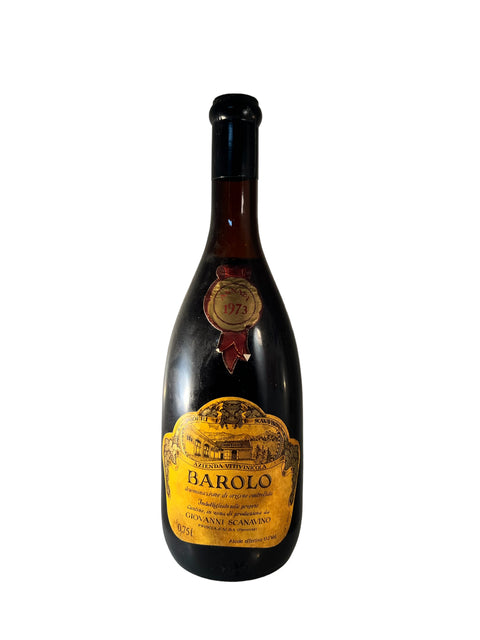
What can you expect from a wine from 1973?
When you uncork a 1973 vintage from Piedmont, you enter the story of a very special season. The year began with a wet winter, followed by a warm early summer and finally late rain, which created light and delicate wines. It was a demanding time for the winegrowers, but the most skilled producers still managed to conjure up elegant results that today present a fascinating and fully mature flavor profile.
Classic Barolo and Barbaresco wines
The classic Barolo and Barbaresco wines of the early 1970s are renowned for their ability to unfold a deep and complex array of tertiary aromas. Instead of the fresh fruit of younger days, a 1973 wine from this period typically offers evocative scent notes of dried roses, truffle, forest floor and old leather.
Over the decades, the tannins in these Italian red wines have had time to soften, leaving an incredibly smooth and integrated structure on the palate. If you choose a Barbaresco, you will most often experience a prominent elegance and floral notes, while the Barolos traditionally maintain a slightly more robust core, beautifully accompanied by hints of tar and dried cherries.
Ripening and color of the Nebbiolo grape
After more than half a century in the cellar, wines made from the Nebbiolo grape have undergone a distinct visual transformation. In the glass, you will notice that the original dark and dense red color has been replaced by a more transparent hue, often finished with a beautiful, rusty red or brick-colored glow at the rim.
This natural maturation also means that the wine's early power fades into the background in favor of a more delicate, soft and delicate profile. The light and elegant style that was so characteristic of the weather this year is beautifully expressed and provides an extremely harmonious experience when the wine is handled with care.
Condition and optimal storage
When a wine has passed 50 years, the condition of the bottle and its history in the cellar become decisive for whether it still contains a great tasting experience. A reasonable level of shrinkage – also called ullage – and an intact cork are clear signs that the wine has been shielded from unwanted oxidation. The well-fitting cork prevents the wine from leaking out and seals off the oxidation that otherwise risks making the wine flat or sour.
To preserve the magic, a constant, cool temperature of between 12 and 15 degrees and a relative humidity of around 70 percent are required, which prevents the cork from drying out. When combined with complete darkness and a horizontal position, the older vintages are effectively protected from premature aging. This ideal setting ensures that the wine retains its balanced structure rather than fading, so you can confidently trust the quality. We also offer expert guidance on our selection of wines from 1963 , which often require special care when handling and serving.
Enjoying a vintage wine from 1973
When you open a bottle of wine from 1973, it is not just a drink, but an invitation to travel back in time. To enjoy this experience to the fullest, there are a few but important steps you should follow. First and foremost, it is crucial to let the wine breathe. After decades of aging, a vintage wine can need some time to fully develop its aromas. Decanting the wine an hour before serving can transform the tasting experience, as it allows the wine to soften the tannins and release layers of complex flavors.
The temperature at which the wine is served is also important. A 1973 red wine should be served slightly chilled, around 16-18 degrees Celsius. Too cold a temperature can mask the wine's delicate nuances, while too warm can make the alcohol too dominant. Use a thermometer for precision, ensuring the ideal temperature that brings out every nuance in the wine.
The choice of glass can also affect your experience. A glass with a wider bowl is recommended as it allows more oxygen to come into contact with the wine, helping to release the aromas and flavors that have developed over the years. When drinking the wine, take the time to savor its aroma first - this moment of anticipation is almost as important as the tasting itself.
Finally, as you enjoy your 1973 wine, consider pairing it with food that compliments its flavor profile. An older wine can be sublime with dishes that don't overwhelm its delicate flavor profiles, such as mature cheeses or carefully selected meats with a mild preparation. This will not only enhance your taste experience, but also create a more memorable and satisfying meal.
At Bottles With History, we understand the value of such a historical and sensory experience. We are here to ensure that every bottle from our carefully curated collection lives up to your expectations, with the history and quality that comes with a well-preserved vintage. Should you have any questions or need further guidance on how to best enjoy your 1973, please feel free to contact us. We also offer selected 1983 wines in our collection if you would like to explore other interesting vintages.


