


Wine santo
6 products


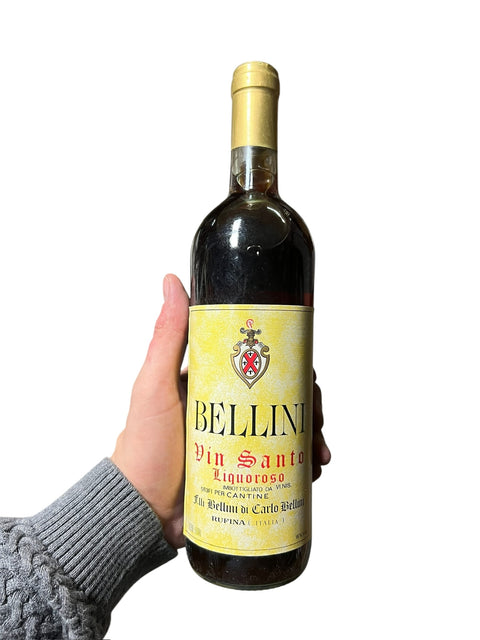
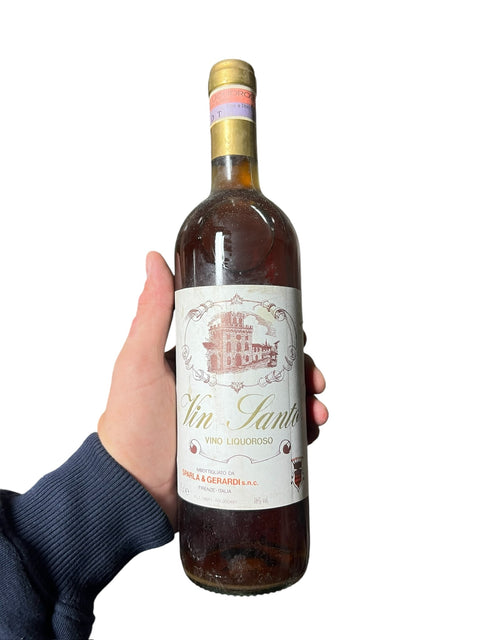
What is vin santo?
Vin santo, meaning "holy wine", is a historic dessert wine from Italy with strong roots in Tuscany in particular. The name is surrounded by stories; some believe it originates from its use during church masses, while others point out that production traditionally began around Easter. The wine is recognized by its golden or amber glow and is often served on special occasions as a warm welcome to guests.
How to make vin santo
Producing this type of wine requires patience and time to ensure the right concentration and character.
- Drying grapes: The process often begins with "appassimento", where the grapes are dried on straw mats or hung in airy attics for several months. This causes the water to evaporate, intensifying the sugar content in the grapes.
- Fermentation in caratelli: After pressing, the concentrated must is poured into small wooden barrels called "caratelli." These barrels are typically sealed with cement or wax to create a completely closed environment.
- Long-term storage: The barrels are often stored in attics, where they follow the natural temperature fluctuations of the seasons. Here the wine matures for many years, usually between three and ten, which contributes to the nutty aroma and the distinctive oxidized style.
Grapes and flavor profile
The taste of a vin santo is complex and depends on both grape varieties and aging time. In general, you get an intense experience, where the interaction between sweetness and acidity plays a central role.
The classic green grapes
For the white version, Trebbiano and Malvasia are most often used. Trebbiano adds acidity so that the wine does not feel too heavy, while Malvasia contributes body and aromatic nuances. This typically results in a wine with notes of dried apricot, honey, toasted almonds and caramel that develop over time.
Occhio di Pernice – the red variety
A rarer version is the pink or reddish variety called "Occhio di Pernice" or "partridge's eye". This type is made primarily from the blue grape Sangiovese. The taste is often deeper with spicy notes of dried cherries, plums, tobacco and leather, which gives it a special depth.
Serving suggestions for vin santo
To get the most out of the golden drops, you may want to think about the temperature and the right accessories that complement the sweetness of the wine.
- Serve the wine slightly chilled at 10 to 14 degrees so that the aromas stand out clearly.
- Use a tulip-shaped dessert wine glass or a small white wine glass to best capture the scent.
- In Tuscany, it is traditionally served with "Cantuccini", the hard almond cookies that are dipped in the wine.
- The wine also goes well with mature cheeses, especially blue cheese, where the sweetness provides a nice counterpoint.
- Desserts with nuts, caramel or dried fruit are also ideal companions for this type of wine.
- You can also enjoy a glass on its own as a meditation wine after a meal.
Vintage wines at Bottles With History
At Bottles With History we focus on finding and storing vintage wines correctly, so you are guaranteed a good experience when you open the bottle. We have a wide selection of historical wines, which can be ordered online or picked up at our store in Roskilde. We are happy to help you find just the right bottle for your collection or a special occasion.


